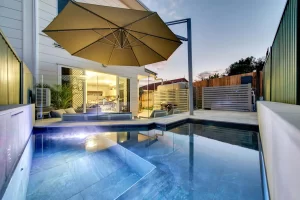
Pool insurance in Brisbane starts well before the first shovel hits the ground. A pool is a major permanent improvement to your home, not an outdoor accessory. Whether you live in Paddington or Coorparoo, Ascot or Bardon, adding one can change your home’s replacement cost, building sum insured, liability exposure and storm risk.
It’s also easy to assume that ‘covered by home insurance’ means the whole project is protected. In reality, different types of cover respond to different risks. Home or building insurance, contents insurance, your builder’s construction insurance, public liability cover and the Queensland Home Warranty Scheme each play a separate role.
This article provides general information only. Insurance policies vary, so always check your Product Disclosure Statement (PDS) and speak with your insurer before starting work.
Do You Need to Tell Your Insurer About a New Pool?
In most cases, it’s wise to contact your insurer before signing a contract or starting excavation. Ask whether the pool must be disclosed as a planned alteration and what details they need. These may include the pool type, such as concrete pools, fibreglass or plunge pools, along with the project value, distance from the house, pool fencing, equipment and any retaining walls, paving or decks.
You should also ask whether your insurer will increase the sum insured, recalculate the premium, apply special conditions or require evidence of approvals. Some policies treat in-ground pools as building fixtures and portable pools as contents, but this varies between insurers. That’s why every question about pool insurance, homeowners raise should come back to their own PDS.

Does a Pool Increase Your Building Sum Insured?
A pool and its surrounds can add significantly to the cost of rebuilding your property after a major event. When reviewing your sum insured, consider whether it includes the pool shell, internal finishes and waterproofing, coping, pumps and filtration, heating, fixed pool lighting, fencing and gates, retaining walls and structures such as outdoor showers.
Keep in mind that what you spend on the project may not match the cost of rebuilding it later. Retain signed contracts, invoices, plans, photographs and approval documents, as they help your insurer assess replacement cost. A well-designed pool can also add value to your home, which is another reason to review cover after major landscaping or upgrades.
What Pool Cover May Not Include
Even when a pool is insured as part of the building, some components and causes of damage may be excluded or limited. Ask your insurer exactly what happens after storm damage, severe wind, flood, falling trees, escape of water, accidental damage, malicious damage and equipment failure.
Common exclusions or limitations can apply to pool water, liners, pool covers, wear and tear, gradual deterioration, algae, poor maintenance, ground movement, soil pressure and faulty workmanship. For example, a pump that simply wears out may not be treated the same way as a pump damaged in an insured storm. Equipment warranties are a separate protection again, and our guide to concrete pool warranties explains how they work. Understanding these differences is central to getting pool insurance Brisbane families can genuinely rely on.
What Insurance Should Your Pool Builder Have?
Standard home insurance may not cover every risk during excavation and construction. Before work starts, ask who is responsible for damage to the unfinished pool, theft of materials, damage to underground services, stormwater entering the excavation, damage to driveways or neighbouring property and injury to anyone on site.
Your own building policy and your builder’s contract works and public liability insurance are separate, so request evidence of the builder’s cover and ask what it actually includes. The contract should also set out responsibility for site security, temporary fencing, subcontractors, approvals and rectification. Our guide on how to choose a pool builder you can trust covers the questions worth asking, and understanding the inground pool building process shows where these risks arise.
Pool Fencing, Compliance and Liability
A pool adds a new risk of injury to household members, guests, children and even trespassers. The QBCC pool safety standard covers fence height and strength, non-climbable zones, self-closing and self-latching gates and preventing direct access from buildings. You’ll also need a compliant CPR sign that is visible, weatherproof and at least 300 mm by 300 mm.
Compliance matters for insurance because a breach can create legal exposure, and an insurer may check whether policy conditions were met after an incident. Ask your insurer whether liability cover extends to guests, contractors and pool-related injuries. Our articles on Queensland pool regulations and CPR sign compliance explain the requirements in more detail.
Brisbane Weather Risks and Your Pool Insurance
Brisbane’s subtropical climate creates risks worth raising with your insurer. Summer thunderstorms, intense rainfall, falling branches and humidity are all part of pool ownership here, as our summer storm season tips explain. Homes on sloping blocks in suburbs like Red Hill, Highgate Hill or The Gap can also face drainage and soil movement concerns.
Ask whether flood is included, excluded or optional, as flood definitions vary between policies. Confirm how your policy treats stormwater in an excavation, overflowing drains, retaining walls and landslip. The Insurance Council of Australia notes that insurers assess risk-reduction measures differently, so speak with yours directly. Good site planning helps too. Experience with pools on steep sites and challenging sites means drainage, retaining and equipment placement are considered before construction begins.
Protect the Paperwork and Review Your Cover
Keep an insurance and project file containing your PDS and certificate of insurance, updated sum insured, pool contract and variations, engineering or soil reports, building approvals, pool safety certification, QBCC warranty details, invoices, progress photos and equipment warranties with serial numbers. The Insurance Council’s guide to home insurance claims explains why these records matter if you ever need to claim.
Notify your insurer when construction is finished and photograph the completed pool and equipment. Review your pool insurance again after adding a heater, automated cover, new fencing, a cabana or further landscaping.
Ask Before You Build
Good pool insurance in Brisbane is part of planning, not an afterthought. Before construction, confirm what your existing policy covers, whether your sum insured is enough, what your builder’s insurance includes, and whether your design and barrier will comply.
While your insurer decides what’s covered, the right builder makes those conversations easier. Environ Pools provides a clear scope of works, itemised inclusions, approval and certification support, QBCC licence details and warranty documentation as part of a transparent design process. Browse the pool portfolio, read our client testimonials or learn more about us.
Planning a pool for your Brisbane home? Contact us today to discuss your project and the documentation you’ll need for your insurer.
The information in this article is general in nature and does not constitute insurance, financial or legal advice. It does not take into account your personal circumstances, objectives or financial situation. Environ Pools is not an insurer or a licensed financial adviser. Insurance cover, exclusions and conditions vary between insurers and policies, so read your Product Disclosure Statement (PDS) carefully and seek advice from your insurer or a licensed insurance adviser before making any decisions. Information about the Queensland Home Warranty Scheme and pool safety requirements was current at the time of publishing; please confirm current requirements with the QBCC.